The ministry of women in the West


In the course of the centuries six types of female ministers served their communities:

1. Ministering widows
2. Women presbyters
3. Pastoral assistants
4. Women deacons
5. Freilas
6. Abbesses who were Sacerdos

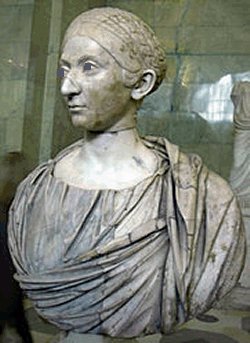
1. Ministering widows

Italy, North Africa, Gaul

ca 100 – 600 AD

Christian Roman communities were served by women who belonged to the ecclesiastical order of widows (1 Timothy 5,3-16).

They were carefully selected for a ministry among women: instructing catechumens, looking after the poor and giving support through prayer.

In church assemblies they occupied a place of honour.

More information here!

2. Women Presbyters

South of Italy, Sicily

100 – 900 AD

In areas of Italy and Sicily that had been colonised by Phoenicians and Hellenists, some Christian communities were perhaps headed by presbyterae, i.e. female priests.

The evidence is found on inscriptions and in literary sources.

These female ministers are said to have exercised all the functions of their male counterparts.

More information here!


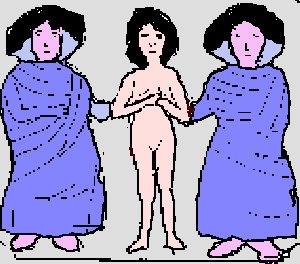
3. Pastoral Assistants

Britain and Ireland

100 – 400 AD

Pastoral assistants assisted at the baptism of women and helped distribute communion at the Eucharist.

More information here!


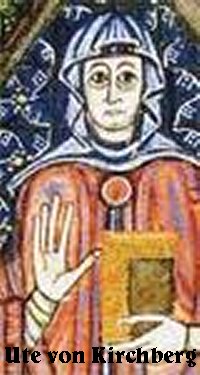
6. Abbesses who were 'Sacerdos'

Germanic lands

900 – 1300 AD

Some Abbesses were given double jurisdiction. They enjoyed political authority over their territories and ecclesiastical jurisdiction. They administered parishes and employed ordained male priests.

A number of them bore the title Sacerdos or even Sacerdos Maxima.

More information here!